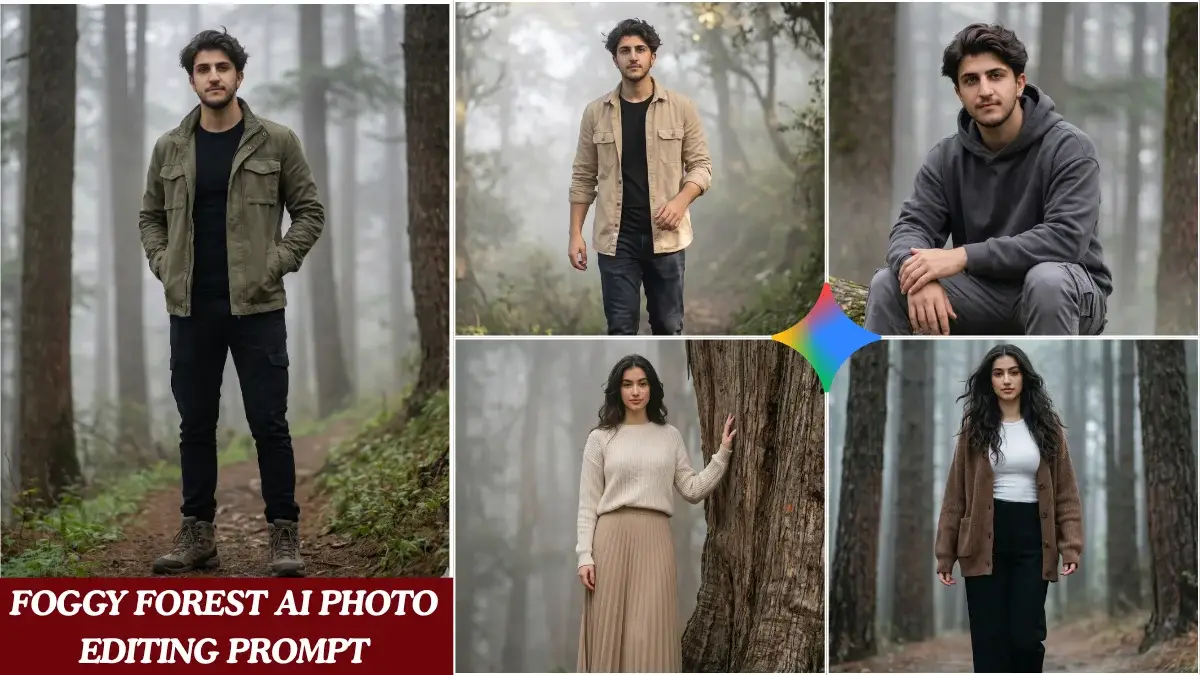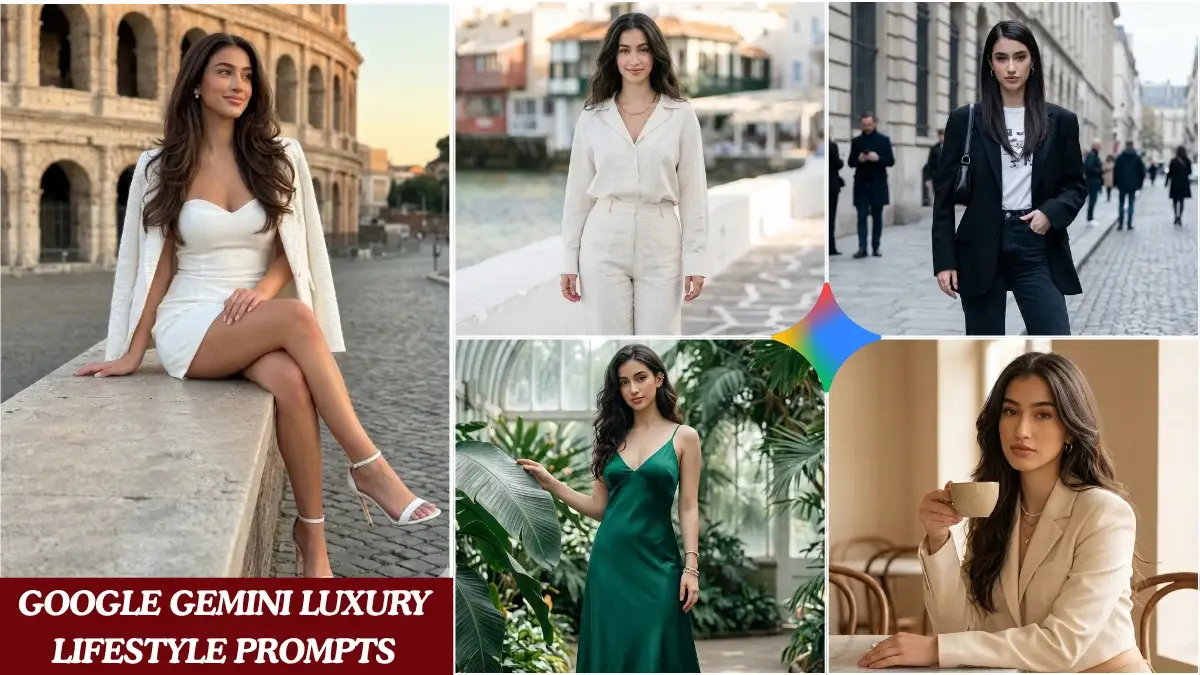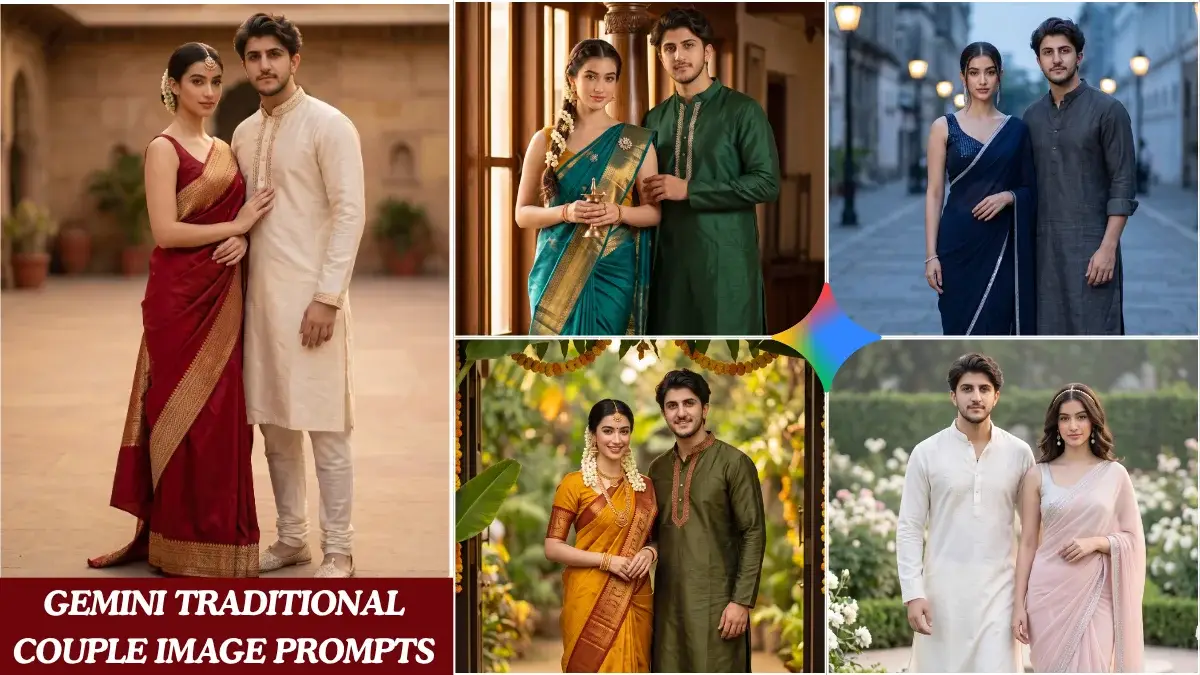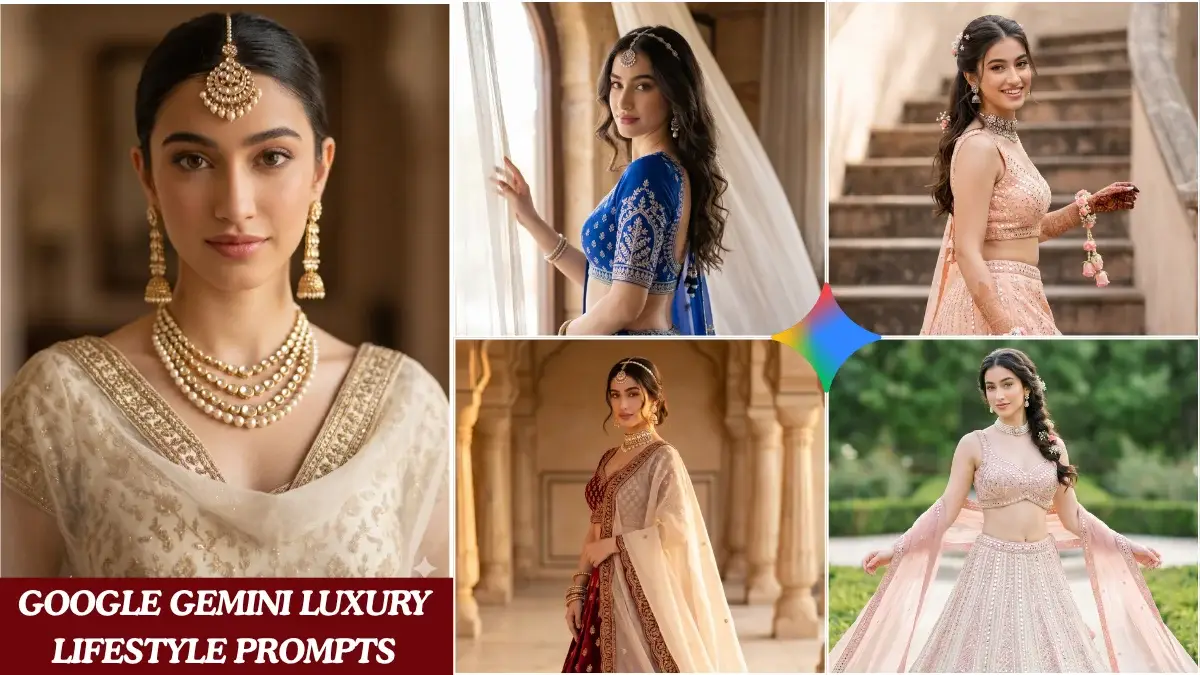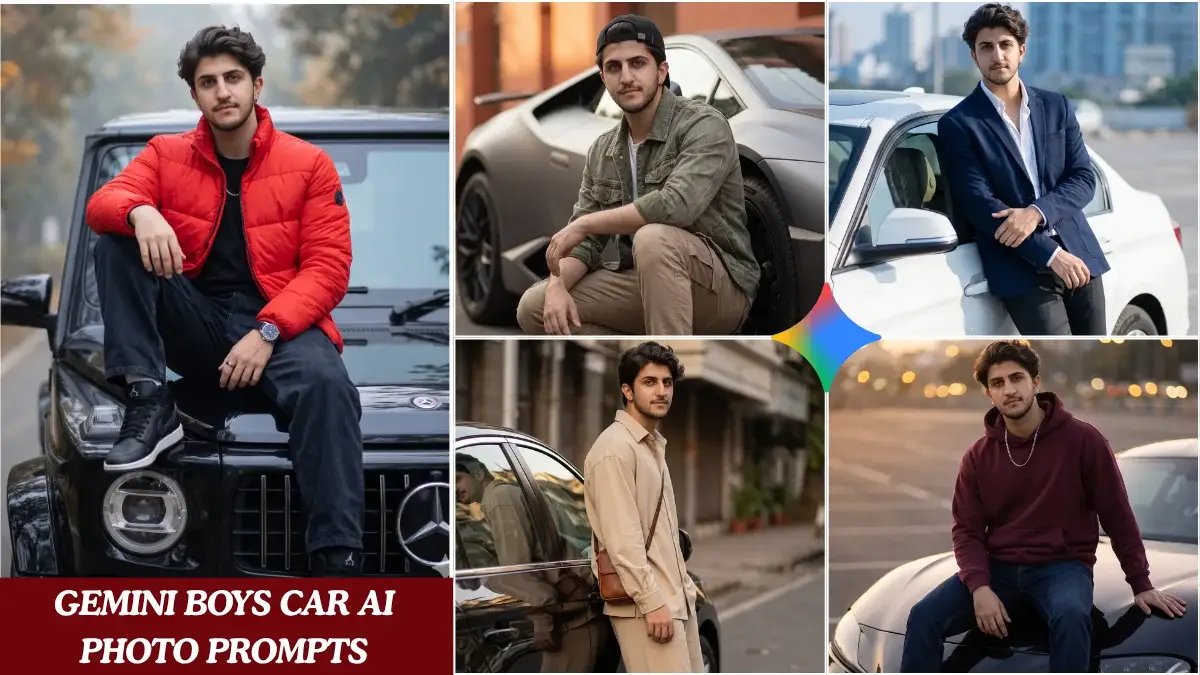

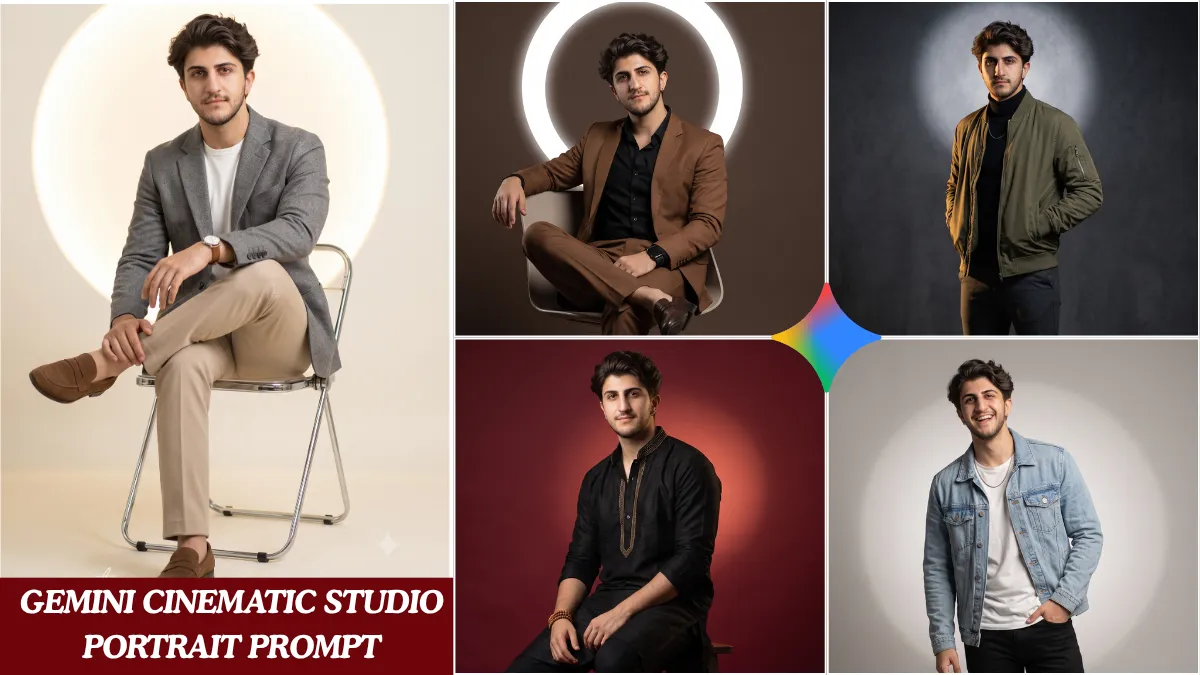
In today’s visually driven world, the demand for captivating imagery is higher than ever. From professional photographers seeking inspiration to hobbyists exploring new creative avenues, the quest for unique visual content is constant. This article dives into the exciting realm of AI-generated art, specifically focusing on how to craft exceptional cinematic studio portraits of boys using sophisticated prompts for tools like Gemini.
Imagine generating a series of striking, emotionally resonant images without setting up a single light or hiring a model. Artificial intelligence now makes this a tangible reality, offering unparalleled creative freedom. We’ll explore the nuances of prompt engineering to help you produce high-quality, Instagram-ready portraits that tell a story.
Whether you’re an artist, a social media enthusiast, or simply curious about AI’s artistic capabilities, mastering these techniques can significantly elevate your digital portfolio. Get ready to unlock the potential of AI and create truly memorable visuals.
- AI tools like Gemini offer immense potential for generating unique cinematic portraits.
- Effective prompts require specific details regarding subject, style, lighting, and mood.
- Cinematic elements include dramatic lighting, depth, and a narrative quality.
- Iterative prompt refinement is crucial for achieving desired artistic outcomes.
- These techniques can help artists and content creators produce high-quality, engaging visuals.
The Allure of Cinematic Studio Portraits for Young Subjects
There’s something inherently captivating about a cinematic portrait. It’s not just a picture; it’s a frozen moment imbued with storytelling, mood, and often a touch of drama. When applied to portraits of boys, this style can highlight various facets of youth, from quiet introspection to vibrant energy.
A studio setting, whether real or simulated by AI, provides a controlled environment. This allows for precise manipulation of lighting, background, and atmosphere, ensuring the subject remains the focal point. The goal is to evoke emotion and create a lasting impression.
These portraits move beyond simple snapshots. They aim to capture the essence of a character, much like a still from a compelling film.
Defining “Cinematic” in AI Art
What exactly makes an image “cinematic”? It often boils down to several key elements that draw the viewer in. Think about the movies that have visually stunned you.
Cinematic qualities typically include carefully constructed compositions, strategic use of light and shadow, and a palpable sense of mood. Depth of field and a rich color palette also play significant roles in achieving that desired film-like quality.
“The art of cinematic portraiture lies in its ability to hint at a larger narrative within a single frame. It’s about suggestion, not explicit storytelling.” – Fictional AI Art Theorist, Dr. Evelyn Reed
| Characteristic | Traditional Studio Portrait | Cinematic Studio Portrait (AI or otherwise) |
|---|---|---|
| Focus | Clear, well-lit subject | Subject with narrative context and mood |
| Lighting | Even, flattering, often bright | Dramatic, high contrast, specific light sources (e.g., Rembrandt, chiaroscuro) |
| Composition | Symmetrical, standard framing | Dynamic, often asymmetrical, rule of thirds, leading lines |
| Atmosphere | Clean, professional | Evocative, mysterious, intense, emotional |
| Storytelling | Minimal | Implied narrative, character study |
Crafting Effective Gemini Cinematic Studio Portrait Prompts for Boys
The power of AI art generation lies entirely in the prompt. A well-constructed prompt acts as a detailed blueprint for the AI, guiding it to produce specific and high-quality results. For Gemini, this means being articulate and descriptive.
Think of yourself as a director giving precise instructions to a highly skilled, albeit literal, artist. Every detail you provide contributes to the final outcome. Ambiguity can lead to unexpected, and often undesirable, results.
Building a strong prompt is an iterative process. You’ll likely start with a core idea and then refine it through multiple generations.
Elements of a Powerful AI Prompt
To create compelling cinematic studio portraits, your prompts need to cover several critical aspects. These components tell the AI exactly what to focus on and how to render it.
Here are the key elements to consider:
- Subject Description: Clearly define the boy’s age, ethnicity, hair color, clothing, and any specific props or features.
- Style and Aesthetic: Specify “cinematic,” “studio portrait,” “high-fashion,” “dramatic lighting,” “film noir,” or “fine art photography.”
- Lighting: Describe the light source (e.g., “single softbox,” “backlit,” “chiaroscuro,” “rim lighting,” “moody studio lighting”).
- Background and Environment: For studio shots, specify “plain dark backdrop,” “textured wall,” “minimalist studio set,” or “blurred bokeh background.”
- Camera and Lens: Include details like “shot on a Sony A7R IV,” “85mm prime lens,” “f/1.8 aperture,” “bokeh effect,” “cinematic aspect ratio.”
- Mood and Emotion: Convey the desired feeling, such as “thoughtful,” “intense gaze,” “playful smirk,” “serious expression.”
- Quality Enhancers: Add terms like “ultra-realistic,” “photorealistic,” “high detail,” “4K,” “8K,” “award-winning photography.”
5 Gemini Cinematic Studio Portrait Prompts for Boys
Here are five distinct prompt ideas, designed to help you generate captivating cinematic studio portraits of boys using Gemini or similar AI art tools. Each prompt focuses on a different mood and aesthetic.
1. The Young Visionary
This prompt aims for a thoughtful, slightly melancholic yet hopeful look, using dramatic lighting to emphasize contemplation.
Prompt: “Cinematic studio portrait of a 12-year-old boy, short dark hair, wearing a simple grey turtleneck, deep in thought, looking slightly off-camera. Dramatic chiaroscuro lighting, single overhead softbox creating strong shadows. Dark, moody, minimalist studio background. Shot on a Hasselblad X1D II, 100mm f/2.8, shallow depth of field, ultra-realistic, photorealistic, 8K.”
This prompt leverages classic portrait lighting techniques to create a sense of depth and introspection. The specific camera and lens details help guide the AI towards a professional photographic aesthetic.
2. The Urban Explorer
Capture a raw, slightly edgy vibe, reminiscent of a young protagonist in a gritty indie film. This style often uses available light or simulated street light.
Prompt: “Cinematic studio portrait of a 14-year-old boy, slightly disheveled dark blonde hair, wearing a vintage denim jacket over a graphic tee, confident smirk. Backlit by a simulated neon glow from an unseen window, creating strong rim light and deep shadows. Gritty, industrial-style studio background with subtle concrete textures. Shot on a Fujifilm GFX 100S, 50mm f/1.4, cinematic color grading, high detail, sharp focus, 4K.”
The “simulated neon glow” and “industrial-style” background are key to achieving the urban cinematic feel. The expression adds character to the scene.
3. The Classic Performer
This prompt aims for a timeless, elegant portrait, perhaps with a theatrical flair, using soft yet structured lighting.
Prompt: “Cinematic studio portrait of a 10-year-old boy, neat brown hair, wearing a tailored navy blazer and crisp white shirt, holding a vintage wooden toy airplane. Soft, diffused key light from the front-left, subtle fill light, creating gentle shadows. Smooth, seamless grey studio backdrop. Shot on a Canon EOS R5, 135mm f/2, elegant composition, warm tones, high dynamic range, fine art photography, 8K.”
The “vintage wooden toy airplane” acts as a compelling prop, adding a touch of innocence and storytelling. “Elegant composition” reinforces the classic aesthetic.
4. The Future Innovator
Envision a futuristic, high-tech portrait with vibrant, artificial lighting and a sense of wonder.
Prompt: “Cinematic studio portrait of a 16-year-old boy, modern styled haircut, wearing a sleek, minimalist tech-wear jacket, eyes reflecting subtle glowing holographic elements. Dynamic, cyberpunk-inspired blue and purple LED lighting, casting dramatic shadows. Dark, reflective studio floor, futuristic minimalist background. Shot on a RED Komodo 6K, 35mm T1.5 cinema lens, anamorphic aspect ratio, neon glow, sci-fi aesthetic, ultra-sharp.”
Here, the lighting and background are crucial for establishing the futuristic, innovative theme. The “holographic elements” add a unique touch of AI magic.
5. The Quiet Strength
Focus on a powerful, introspective mood, using stark lighting to highlight facial features and convey resilience.
Prompt: “Cinematic studio portrait of a 15-year-old boy, short textured hair, wearing a dark crew-neck shirt, intense, focused gaze directly at the viewer. Hard, directional light from above, creating deep shadows under cheekbones and brow, dramatic contrast. Plain black velvet studio background. Shot on a Leica M11, 75mm f/1.4 Summilux, black and white conversion, gritty film grain, powerful emotion, high resolution, 4K.”
The “hard, directional light” and “black and white conversion” are essential for achieving the intense, quiet strength. “Gritty film grain” adds to the raw, cinematic feel.
Tips for Refining Your AI-Generated Portraits
Generating the initial image is just the first step. The true mastery comes from iterating and refining your prompts. Don’t expect perfection on the first try; AI art is a dialogue between you and the algorithm.
Experimentation is key. Minor adjustments to your prompt can lead to dramatically different results. Pay close attention to how specific keywords influence the output.
Beyond the Initial Prompt
Once you have your initial image, consider these refinement strategies:
- Prompt Variations: Change a single word or phrase at a time to see its impact. For example, swap “moody” for “ethereal” or “softbox” for “ring light.”
- Negative Prompts: Use negative prompts to tell the AI what *not* to include (e.g., “ugly, distorted, blurry, cartoon, amateur”). This can significantly clean up undesired artifacts.
- Aspect Ratios: Experiment with different aspect ratios (e.g., 16:9 for cinematic, 4:5 for Instagram portrait) to frame your subject effectively.
- Style Modifiers: Add modifiers like “by Annie Leibovitz,” “by Gregory Crewdson,” or “Rembrandt lighting” to evoke specific artistic styles.
- Iterative Generation: If Gemini allows, use your best generated image as an input for further iterations, guiding the AI more directly.
“Think of prompt engineering as a collaborative sculpting process. You provide the raw material and initial form, and the AI helps you chisel away until the masterpiece emerges.” – AI Artist & Educator, Leo Chen
Frequently Asked Questions
What is a cinematic portrait?
A cinematic portrait is a photograph designed to evoke the dramatic, storytelling qualities of a film still. It often features dramatic lighting, rich mood, carefully composed elements, and an implied narrative that draws the viewer into a deeper engagement with the subject.
How does Gemini create images from prompts?
Gemini, like other advanced AI image generators, uses complex machine learning models (often diffusion models) trained on vast datasets of images and their corresponding text descriptions. When you provide a prompt, the AI interprets your words and generates an image that aligns with the patterns and styles it learned during its training.
Can I use these prompts for other AI art tools?
Yes, generally speaking, these prompt structures and descriptive elements are highly effective across various AI image generation platforms like Midjourney, DALL-E, and Stable Diffusion. You might need to make minor adjustments to syntax or add specific platform-preferred keywords for optimal results on different tools.
What makes a good AI portrait prompt?
A good AI portrait prompt is highly descriptive, specific, and includes details about the subject, their emotion, the style, lighting, background, and desired photographic qualities. Specificity helps the AI render your vision accurately, reducing randomness and increasing control over the output.
How can I get consistent results with AI portrait generation?
Achieving consistent results often involves using a strong base prompt and then systematically varying only one or two elements at a time. Saving your successful prompts and using them as templates is also crucial. Some platforms offer “seed” numbers, which can help replicate previous generations more closely.
Are AI-generated images truly original?
The concept of originality in AI art is a complex and debated topic. While AI models are trained on existing human-created art, the generated output is a novel combination and interpretation of those learned patterns. The unique combination of your specific prompt and the AI’s creative algorithm results in an image that didn’t exist before, making it unique in its specific manifestation.
Conclusion
The landscape of digital art is rapidly evolving, and AI tools like Gemini are at the forefront of this revolution. By understanding how to construct effective “Gemini Cinematic Studio Portrait Prompts for Boys,” artists, photographers, and content creators can unlock an incredible new avenue for creative expression. The ability to visualize and generate stunning, high-quality portraits with just a few carefully chosen words is truly transformative.
Embrace the iterative process, experiment with different styles and lighting, and don’t be afraid to push the boundaries of your imagination. The prompts provided here are merely starting points; the true magic happens when you infuse them with your unique creative vision. Dive in, explore, and start crafting your next masterpiece today.