
The world of digital content creation is constantly evolving, with artificial intelligence now offering unprecedented tools for visual storytelling. Imagine conjuring highly specific, aesthetically pleasing images with just a few carefully chosen words. This capability is revolutionizing how creators approach photography and illustration.
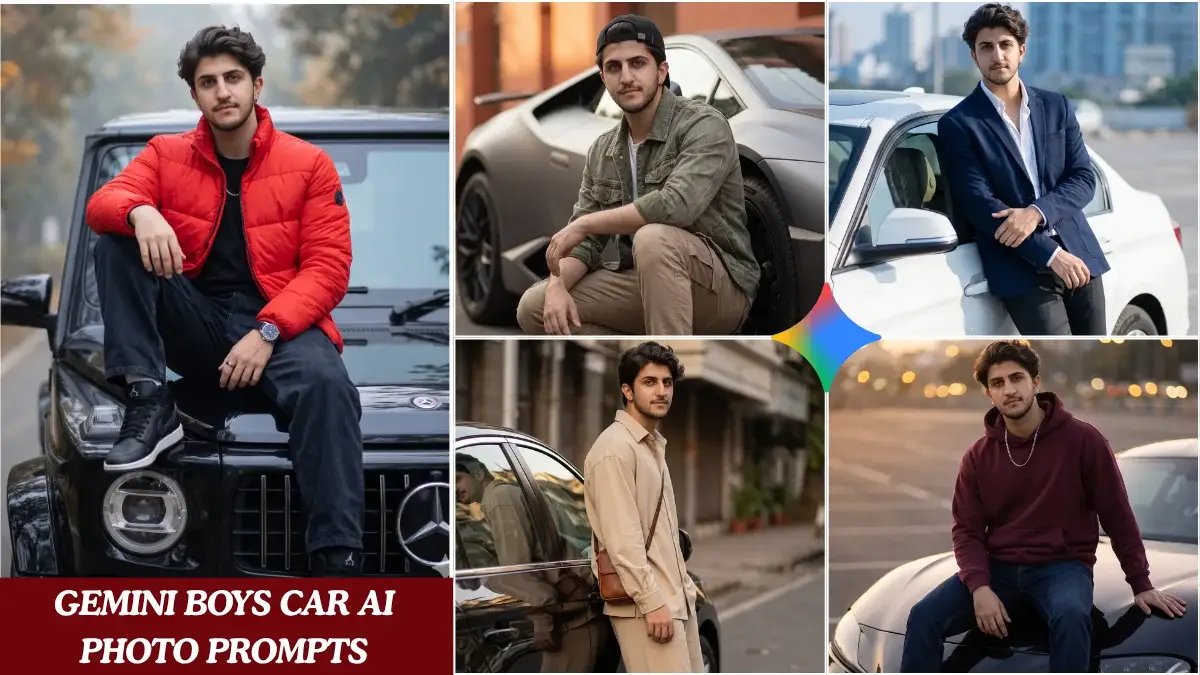
Specifically, the demand for niche content, such as images featuring “Gemini boys” alongside impressive cars, has surged on platforms like Pinterest and Instagram. These visuals often capture a blend of youthful energy, automotive allure, and aspirational lifestyle. Achieving truly cinematic and realistic results, however, requires more than just basic keywords.
This guide will delve into the art of prompt engineering, revealing how to craft powerful prompts that generate stunning, viral-worthy Gemini boys car AI photo prompts. You’ll learn the secrets to transforming simple ideas into captivating digital masterpieces.
- AI art generation offers immense creative freedom for unique visual narratives.
- Well-structured prompts are essential for producing cinematic and realistic AI images.
- Understanding popular aesthetic archetypes can significantly boost your content’s appeal.
- Iterative refinement of your prompts is key to achieving professional-grade results.
- Viral potential is high for compelling visuals that resonate with specific audiences.
The Rise of Niche AI Art: Why Gemini Boys and Cars?
Artificial intelligence has opened doors to creating highly specialized visual content that resonates with distinct cultural aesthetics. One such popular trend involves generating images of young men, often colloquially referred to as “Gemini boys,” interacting with various types of automobiles. This specific combination taps into several compelling visual narratives.
The appeal often stems from a blend of youthful charm, modern fashion, and the timeless allure of cars as symbols of freedom, status, or adventure. These images frequently aim for a particular mood or story, making them highly shareable across social media platforms. They provide a unique way to explore character-driven visuals within the dynamic context of automotive culture.
- Youthful Energy: The depiction of young men brings a fresh, dynamic perspective.
- Aesthetic Appeal of Cars: Vehicles themselves are often central to design and aspirational content.
- Narrative Potential: Scenes can imply stories of friendship, travel, or personal style.
- Targeted Audience Engagement: This niche caters directly to specific visual preferences.
- Social Media Virality: Compelling, distinct visuals tend to perform exceptionally well online.
Crafting Cinematic Reality: Principles of Effective AI Prompts
Generating truly realistic and cinematic AI art goes far beyond merely listing subjects. The power of a prompt lies in its descriptive detail, guiding the AI model to interpret your vision with precision. Think of yourself as a director, providing specific instructions for every element within your digital scene.
Effective prompt engineering involves a nuanced understanding of how AI interprets language and translates it into visual data. It’s about painting a picture with words, ensuring that every detail contributes to the overall aesthetic and realism. This attention to detail is what separates a generic image from a viral sensation.
- Start with the Core Subject: Clearly define your main characters and objects, for instance: “Two young men, mid-twenties, standing next to a vintage Porsche 911.”
- Add Descriptive Elements: Incorporate details about the setting, time of day, and environment. Consider “sunset glow, winding coastal road, palm trees in the background.”
- Specify Artistic Style and Mood: Direct the AI on the desired visual aesthetic. Phrases like “cinematic realism, hyper-detailed, dramatic lighting, vibrant colors, filmic quality” are invaluable.
- Define Camera and Composition: Use photography terms to guide the AI’s “lens.” Examples include “wide-angle shot, low perspective, full body portrait, bokeh effect.”
- Include Negative Prompts: List elements you *don’t* want to see. This helps filter out common AI artifacts or undesired styles, such as “blurry, cartoonish, distorted, monochrome, amateur photography.”
“The true artistry in AI generation isn’t just asking for an image; it’s in meticulously instructing the AI to bring a specific, detailed vision to life, much like a film director guides their crew.”
Unveiling the Top 5 Gemini Boys Car AI Photo Prompt Archetypes
While specific AI prompts can vary greatly depending on the platform (e.g., Midjourney, Stable Diffusion, DALL-E 3) and desired outcome, certain archetypes consistently yield stunning results. These categories focus on distinct visual moods and narratives, offering a framework for your own creative explorations. By understanding these archetypes, you can adapt them to your specific needs and create truly original content.
1. The Urban Nocturne Drive
This archetype focuses on the moody, sophisticated atmosphere of a city at night. It emphasizes reflections, neon lights, and the sleek lines of a modern vehicle, often with a subtle sense of mystery. The characters are typically portrayed with a cool, understated elegance, blending into the vibrant urban tapestry.
A prompt might describe two stylish young men, one driving a gleaming sports car through a rain-slicked metropolis at night, with neon signs reflecting in puddles and dramatic chiaroscuro lighting. The goal is a high-contrast, visually rich scene that feels straight out of a blockbuster film.
2. Retro Road Trip Adventure
Evoking a sense of nostalgia and freedom, this archetype features vintage cars against scenic, often rustic, landscapes. It’s about capturing the spirit of exploration, friendship, and the open road, often with a warm, film-like aesthetic. The characters are usually depicted in a relaxed, adventurous manner.
Imagine two friends, mid-twenties, laughing heartily in an open-top classic convertible, cruising down a dusty desert highway as the setting sun paints the sky. Adding details like “film grain,” “retro aesthetic,” and “worn leather seats” enhances the authentic feel.
3. The Luxe Lifestyle Statement
This archetype showcases opulence and high-end living, featuring luxury vehicles in sophisticated settings. It’s designed for aspirational content, often with characters in designer attire, emphasizing elegance and status. The focus is on clean lines, polished surfaces, and a sense of effortless grandeur.
Picture two impeccably dressed young men standing beside a gleaming high-performance luxury sedan, parked in front of a modern architectural masterpiece at golden hour. Emphasize sharp suits, crisp details, and a soft, expensive glow to achieve this high-fashion, editorial look.
4. Gritty Garage Scene
For those who appreciate the raw, mechanical beauty of automobiles, this archetype dives into the world of workshops and custom builds. It highlights hands-on interaction with vehicles, industrial backdrops, and a sense of skilled craftsmanship. The lighting is often dramatic, focusing on textures and details.
Consider two young mechanics, hands smudged with grease, intently working on a custom muscle car in a dimly lit, industrial garage. Details like “sparks flying,” “dramatic backlighting,” and “tools scattered on a workbench” add to the authenticity and visual interest of the scene.
5. Serene Scenic Escape
This archetype combines breathtaking natural settings with a car and relaxed characters, focusing on tranquility and awe-inspiring backdrops. It’s about capturing peaceful moments amidst majestic landscapes, where the vehicle serves as a companion to adventure rather than just a status symbol.
Visualize two young men enjoying a serene sunrise moment by a classic SUV, parked overlooking a majestic mountain lake at dawn. Specify “soft, misty light,” “calm water reflections,” and “verdant pine forests” to create a peaceful, picturesque scene.
| Prompt Archetype | Key Visual Elements | Emotional Tone | Ideal Use Case |
|---|---|---|---|
| Urban Nocturne Drive | City lights, sleek car, rain-slicked streets, neon | Mysterious, Sophisticated | Fashion editorials, mood boards, urban storytelling |
| Retro Road Trip | Vintage car, open road, scenic landscapes, sunset | Adventurous, Nostalgic | Travel blogs, personal projects, throwback campaigns |
| Luxe Lifestyle Statement | Luxury vehicle, high-end setting, sharp attire, modern architecture | Aspirational, Elegant | Luxury branding, social media influence, advertising |
| Gritty Garage Scene | Workshop, muscle car, tools, dramatic lighting, industrial feel | Authentic, Industrial | Automotive enthusiast content, art prints, mechanic blogs |
| Serene Scenic Escape | Nature backdrop, classic SUV, tranquil setting, natural light | Peaceful, Awe-inspiring | Outdoor lifestyle content, travel marketing, relaxation themes |
Beyond the Prompts: Tips for Achieving Viral-Ready AI Art
Even the most perfectly crafted prompt is just the beginning; the journey to truly viral-ready AI art involves iterative refinement and a keen eye for detail. AI generation is an interactive process, and your willingness to experiment will significantly impact the final output. Think of each generation as a step closer to your ultimate vision.
Success often comes from understanding the nuances of your chosen AI model and continuously learning from its outputs. Don’t be afraid to tweak words, reorder phrases, or add entirely new concepts in subsequent attempts. This iterative approach is crucial for finessing your images into polished masterpieces.
- Experiment with Aspect Ratios: Different ratios (e.g., 16:9 for cinematic, 1:1 for Instagram) can dramatically alter composition.
- Use Specific Camera Angles: Direct the AI with terms like “low angle shot,” “dutch tilt,” “overhead view,” or “telephoto lens perspective.”
- Specify Lighting Conditions: Beyond just “golden hour,” try “volumetric lighting,” “rim light,” “softbox lighting,” or “harsh midday sun.”
- Refine Negative Prompts: Continuously update your negative prompts based on unwanted elements that appear in your generations.
- Study Professional Photography: Analyze real-world images for composition, lighting, and detail inspiration to inform your prompts.
“Achieving truly viral AI art isn’t a one-shot deal; it’s a persistent, creative dance between human intention and artificial intelligence, constantly refining until perfection emerges.”
Frequently Asked Questions
What exactly are Gemini Boys Car AI Photo Prompts?
These prompts are specifically designed text instructions fed into AI image generation models to create visuals featuring young men, often aligning with a modern or aspirational aesthetic, alongside various types of cars. The goal is typically to produce cinematic, realistic, and highly stylized images suitable for social media.
Why are these types of AI images gaining popularity?
The popularity stems from their ability to combine several visually appealing elements: the dynamic energy of youth, the aspirational status or adventurous spirit associated with cars, and highly curated aesthetic narratives. This blend resonates strongly on visual platforms like Pinterest, Instagram, and TikTok, making them highly shareable.
How can I ensure my AI-generated photos look realistic?
To achieve realism, focus on providing hyper-descriptive language in your prompts, specifying details about lighting, camera angles, textures, and even the emotional expressions of characters. Utilizing negative prompts to filter out artificial or cartoonish elements is also a critical step. Referencing real photography for inspiration can significantly enhance your prompt’s effectiveness.
Which AI tools are best suited for generating these kinds of images?
Leading AI image generation tools such as Midjourney, Stable Diffusion, and DALL-E 3 are excellent choices for creating these types of visuals. Each platform has its unique strengths and stylistic tendencies, so experimenting with a few can help you discover which one best aligns with your creative vision and desired output.
Can I use these AI-generated images for commercial purposes?
The commercial use of AI-generated images depends entirely on the specific AI model’s terms of service and your subscription tier. Many platforms offer commercial licenses, but it’s crucial to review the licensing agreements carefully for the AI tool you are using before deploying any images for business or promotional purposes.
What is “prompt engineering”?
Prompt engineering refers to the specialized skill of crafting effective and precise text inputs (prompts) to guide AI models toward generating desired outputs. It involves understanding the AI’s interpretation of language, structuring prompts for clarity and detail, and iterating to achieve optimal and highly specific results.
Conclusion
The ability to generate stunning, cinematic, and realistic images of “Gemini boys and cars” using AI prompts is a powerful new frontier for creators. By understanding the archetypes of effective prompts and applying principles of detailed prompt engineering, anyone can transform simple ideas into visually captivating content. This isn’t just about creating images; it’s about crafting stories and moods that resonate deeply with audiences.
The journey from a basic concept to a viral-worthy visual is an exciting one, driven by creativity and the intelligent application of AI tools. Remember, the key lies in your descriptive power and willingness to experiment. The digital canvas is yours to command, offering endless possibilities for personal projects, brand content, or simply exploring the boundaries of imagination.
Embrace these techniques, and you’ll undoubtedly unlock a new level of visual storytelling, making your digital creations truly stand out in a crowded online world.